
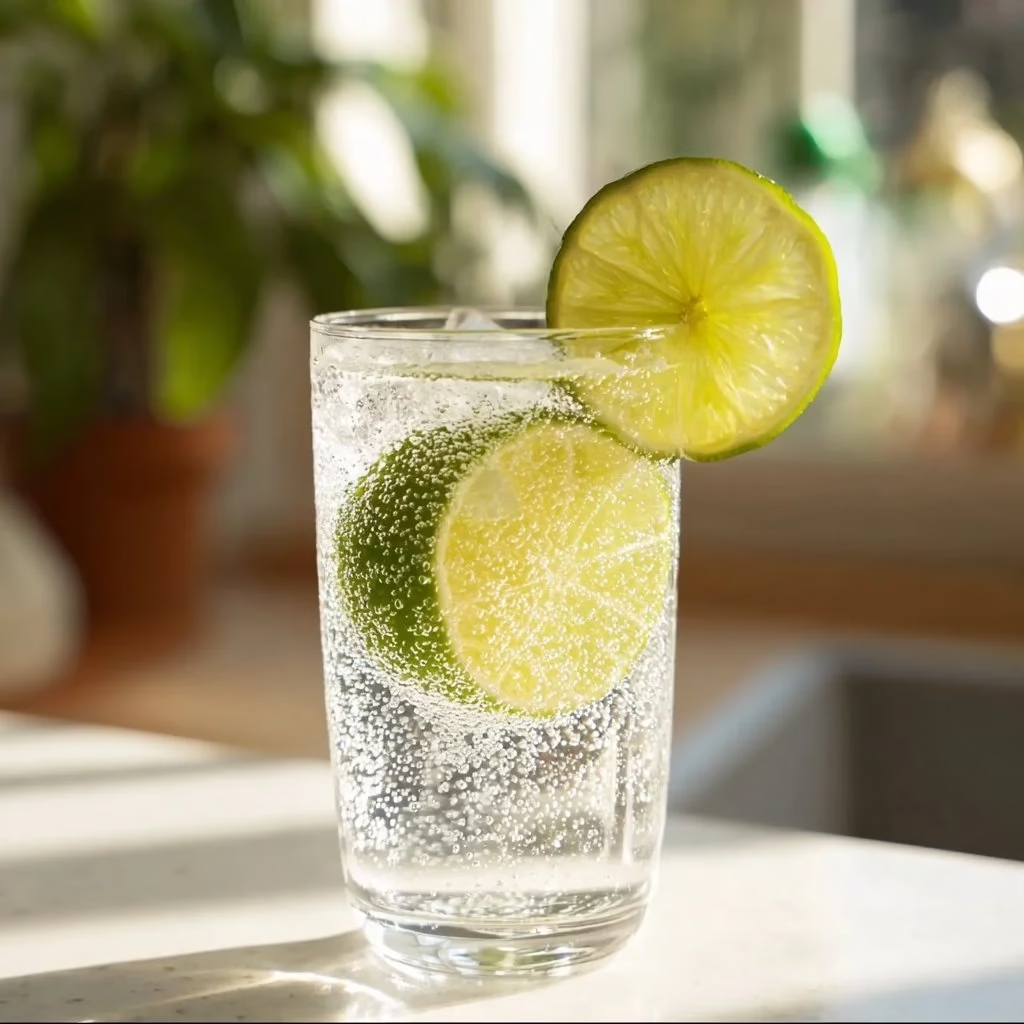
Prebiotic Water for Weight Loss is a simple, flavored beverage made by infusing water with prebiotic fibers like inulin, chicory extract, or oligosaccharides to support gut bacteria that can influence appetite and metabolism. People sip it to stay hydrated, ease cravings, and add a subtle plant-like sweetness and body to plain water. The texture is light but slightly viscous if concentrated, the taste is mildly earthy or floral depending on the ingredient, and it is best served chilled for a crisp, refreshing finish. Many enjoy it warmed in cooler months for a soothing aroma. Try a glass and see how a small daily swap can feel in your routine.
What Is Prebiotic Water for Weight Loss?
Prebiotic water is simply water that has had a prebiotic fiber dissolved or infused into it, creating a low-calorie drink intended to feed beneficial gut microbes. Unlike probiotics, which deliver live bacteria, prebiotics are non-digestible fibers that travel to the colon and serve as food for resident bacteria, which can produce short-chain fatty acids and other metabolites linked to appetite regulation and metabolic health.
People use prebiotic water as an easy way to increase daily fiber intake without bulky supplements or major diet shifts, often pairing it with meals or using it between snacks to support satiety. It is used for slimming because some studies show that shifts in gut microbiota and fermentation products can modestly influence hunger hormones and weight management, though effects vary between individuals. For ideas on simple complementary recipes that many find helpful, see this Dr. Mark Hyman gelatin recipe for weight loss.
Why People Love This Method for Weight Loss
Many people like prebiotic water because it is low cost, easy to prepare, and fits into daily routines without adding many calories. It can subtly change the mouthfeel of water to feel more satisfying, which helps some people drink more and snack less. When combined with a balanced diet and activity, it can be a practical tool rather than a dramatic diet shift.
- Easy ingredients and minimal prep time make it accessible to busy schedules.
- Low calorie and sugar free in most preparations, so it replaces higher calorie drinks.
- Helps curb cravings by supporting feelings of fullness for some users.
- Supports hydration, which itself helps appetite control and energy.
- Cost effective compared with many bottled functional beverages.
Ingredients
- Inulin powder – a common prebiotic fiber that dissolves well and has a mild, slightly sweet taste; can be substituted with chicory extract.
- Oligofructose or fructooligosaccharides (FOS) – gentler on some stomachs and can be used in place of inulin.
- Plain filtered water – the base; cold water enhances refreshment while warm water eases digestion.
- Citrus slices or fresh mint (optional) – add aroma and flavor without many calories.
- Natural low-calorie sweetener like stevia (optional) – for those who prefer a sweeter drink without sugar.
- A pinch of sea salt (optional) – can improve mineral balance and mouthfeel in low-calorie versions.
How to Make It (Step-by-Step)
Overview: Making prebiotic water is quick and flexible. Use a measured scoop of your chosen prebiotic powder, dissolve it in water, and chill or warm to your preference. Adjust flavorings like citrus or mint to keep the drink enjoyable, and start with a small dose if you are new to prebiotics to avoid digestive upset.
- Measure the prebiotic powder. Use 1 to 2 grams for beginners or 3 to 5 grams for regular use, following package guidance. A small, measured scoop helps keep texture light and reduces the chance of gas and bloating.
- Dissolve in a small amount of warm water. Add the powder to 100 to 200 ml of warm (not boiling) water and stir until mostly dissolved, which should take 30 to 60 seconds; warm water helps fibers dissolve more easily. The mixture may look slightly cloudy and feel a bit viscous.
- Top up with cold or room temperature water. Pour the dissolved prebiotic into 500 ml to 1 liter of water and stir. Chilled water will be crisp and refreshing, while room temperature is gentler on digestion.
- Add optional flavorings. Drop in a slice of lemon or a few mint leaves and let sit for 5 to 10 minutes for aroma infusion; these add bright scent and mild flavor without many calories.
- Taste and adjust. If the drink seems too thick, add more water; if flat, add a squeeze of citrus or a few drops of stevia. Keep a small notebook of proportions that feel best for you.
- Store or serve. Serve immediately over ice for a refreshing drink, or refrigerate in a closed bottle for up to 48 hours. Remember to shake before drinking if the fibers settle.
For a complementary gelatin-based idea that pairs well with prebiotic routines, try this gelatin trick recipe for weight loss.
How to Use It for Better Weight Loss
Use prebiotic water as one tool in a balanced approach: consistency, portion control, and overall dietary quality matter most. Drinking a glass before a meal may help some people feel slightly fuller and reduce calorie intake, while sipping throughout the day supports hydration and a steady intake of prebiotic fiber. Start with lower doses to assess tolerance and increase gradually as your gut adapts.
- Timing: Try one 250 to 500 ml glass 20 to 30 minutes before lunch or dinner to test appetite effects.
- Portions: Stick to recommended fiber amounts on your product label; more is not always better.
- Frequency: One to two servings per day is common; spread doses rather than consume a large amount at once.
- Daily habits: Combine with whole foods, protein, and vegetables for sustainable weight changes.
- Safety: If you have IBS or sensitive digestion, consult your healthcare provider before starting regular use.
Tips & Variations
Prebiotic water is versatile and can be tailored for taste, calorie goals, or dietary needs. You can make low-calorie versions by skipping sweeteners, or create more flavorful blends with herbal teas or citrus infusions. Rotating types of prebiotics can help diversify the fibers reaching your gut.
- Low-calorie option: Use plain water with a slice of cucumber and a few drops of stevia.
- Flavor options: Brew a mild green tea and cool it, then add prebiotic powder for antioxidant benefits.
- Diet-friendly swaps: Choose FOS if you are sensitive to inulin, or use a prebiotic blend marketed for digestive comfort.
- Seasonal twist: Add a warm spice like cinnamon to warm prebiotic water in colder months.
Mistakes to Avoid
Many people try prebiotic water but make avoidable errors that limit benefits or cause discomfort. Start low and progress slowly, pay attention to the total fiber you consume from all sources, and avoid assuming it is a quick fix for weight loss. Balance and individualized adjustments matter.
- Taking too much at once can cause gas and bloating; reduce dose and increase gradually.
- Expecting dramatic weight loss from a single beverage; combine with healthy eating and activity.
- Using sugary mixers that add calories and negate the low-calorie advantage; choose flavorings wisely.
- Not checking medication interactions or medical conditions; consult a clinician if needed.
- Storing improperly for long periods; make fresh batches or refrigerate and consume within 48 hours.
FAQs
Q: Can I prepare prebiotic water ahead of time?
A: Yes, you can prepare it ahead and refrigerate in a sealed bottle for up to 48 hours. Over time some fibers may settle or thicken slightly, so shake the bottle before drinking and check flavor before serving.
Q: How should I store leftover prebiotic water?
A: Keep it in a covered glass or bottle in the refrigerator and use within two days for best texture and safety. Avoid leaving it at room temperature for long periods since natural flavorings can lose freshness.
Q: What are good substitutions if I do not like inulin?
A: Try fructooligosaccharides or partially hydrolyzed guar gum, which some people tolerate better and still provide prebiotic effects. Read labels for dosage guidance and start with smaller amounts to test tolerance.
Q: When is the best time of day to drink this for weight support?
A: Many people find drinking a glass before meals helps with satiety, while others prefer sipping throughout the day to maintain hydration and steady fiber intake. Try both approaches to see which fits your routine and appetite patterns.
Q: Is prebiotic water safe if I have a medical condition or take medication?
A: Most prebiotic fibers are safe for healthy people, but those with certain digestive conditions or on specific medications should consult their healthcare provider. Start slowly and discuss use with your clinician if you have concerns.
Conclusion
Prebiotic water can be a practical, low-calorie addition to a weight loss plan by supporting hydration and providing fiber that nourishes beneficial gut bacteria. While it is not a magic solution, many users find it helps reduce snacking and improves how full they feel between meals. For research on clinical outcomes, see the study on the effect of weight loss program using prebiotics and probiotics. Learn more about how prebiotic feeding alters gut microbiota and weight from this active phase prebiotic feeding study. If you are curious about related ingredients and myths, read the perspectives on apple cider vinegar in this debunking the health benefits of apple cider vinegar. For research on prebiotics preventing medication-related weight gain, see the article on prebiotic influence on olanzapine-mediated weight gain. For a consumer-focused overview of prebiotic beverages, consult this article about prebiotic sodas and health. Try it and tell me how it worked for you!
The information provided in this article is for educational purposes only and should not be considered medical advice. Everyone’s body is different, and what works for one person may not work for another. It’s always best to speak with your healthcare provider before making this a daily habit, especially if you are taking medications, managing a medical condition, or are pregnant or breastfeeding. Always consult your doctor for personalized guidance.
PrintPrebiotic Water for Weight Loss
A simple, flavored beverage infused with prebiotic fibers to support gut health, reduce cravings, and promote hydration.
- Prep Time: 5 minutes
- Cook Time: 0 minutes
- Total Time: 5 minutes
- Yield: 1 serving 1x
- Category: Beverage
- Method: Infusing
- Cuisine: Mixed
- Diet: Vegetarian
Ingredients
- 1–2 grams Inulin powder (or chicory extract)
- 3–5 grams Oligofructose or fructooligosaccharides (FOS)
- 500 ml-1 liter Plain filtered water
- Citrus slices or fresh mint (optional)
- Natural low-calorie sweetener like stevia (optional)
- A pinch of sea salt (optional)
Instructions
- Measure the prebiotic powder (1 to 2 grams for beginners, 3 to 5 grams for regular use).
- Dissolve in a small amount of warm water (100 to 200 ml) and stir until mostly dissolved.
- Top up with cold or room temperature water (500 ml to 1 liter) and stir.
- Add optional flavorings like citrus or mint and let sit for 5 to 10 minutes.
- Taste and adjust as needed by adding more water or sweetener.
- Store or serve immediately over ice, refrigerating in a closed bottle for up to 48 hours.
Notes
Prebiotic water can be customized with various flavors and is recommended to start with lower doses to assess tolerance.
Nutrition
- Serving Size: 1 glass
- Calories: 10
- Sugar: 0g
- Sodium: 10mg
- Fat: 0g
- Saturated Fat: 0g
- Unsaturated Fat: 0g
- Trans Fat: 0g
- Carbohydrates: 2g
- Fiber: 1g
- Protein: 0g
- Cholesterol: 0mg
Keywords: prebiotic water, weight loss, hydration, gut health, low-calorie drink