
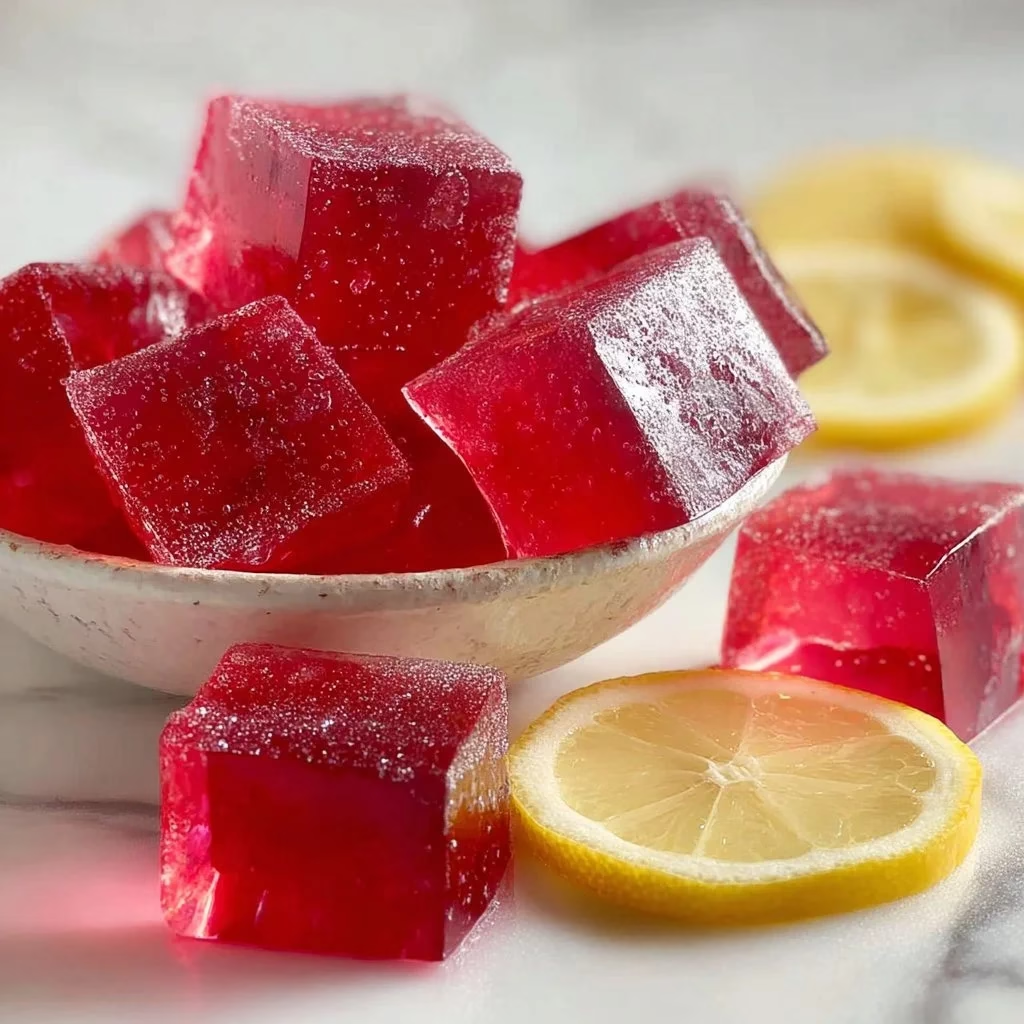
Jello Recipe for Weight Loss can be a simple, low-calorie treat that people use to curb cravings or add structure to an eating plan. This version typically uses unflavored gelatin or sugar-free flavored mix combined with fruit, water, or tea to create a light, wobbly dessert with a cool, slightly sweet taste and a smooth, gelatinous texture. The aroma is usually mild and fruity, and it is served chilled for the most refreshing mouthfeel. Many try this approach because it is easy to prepare, portable, and can be portion-controlled with minimal fuss, making it appealing for busy routines and snack swaps. If you enjoy a gentle, nostalgic dessert that supports mindful eating, keep reading to learn a practical version and how to fit it into your plan.
What Is Jello Recipe for Weight Loss?
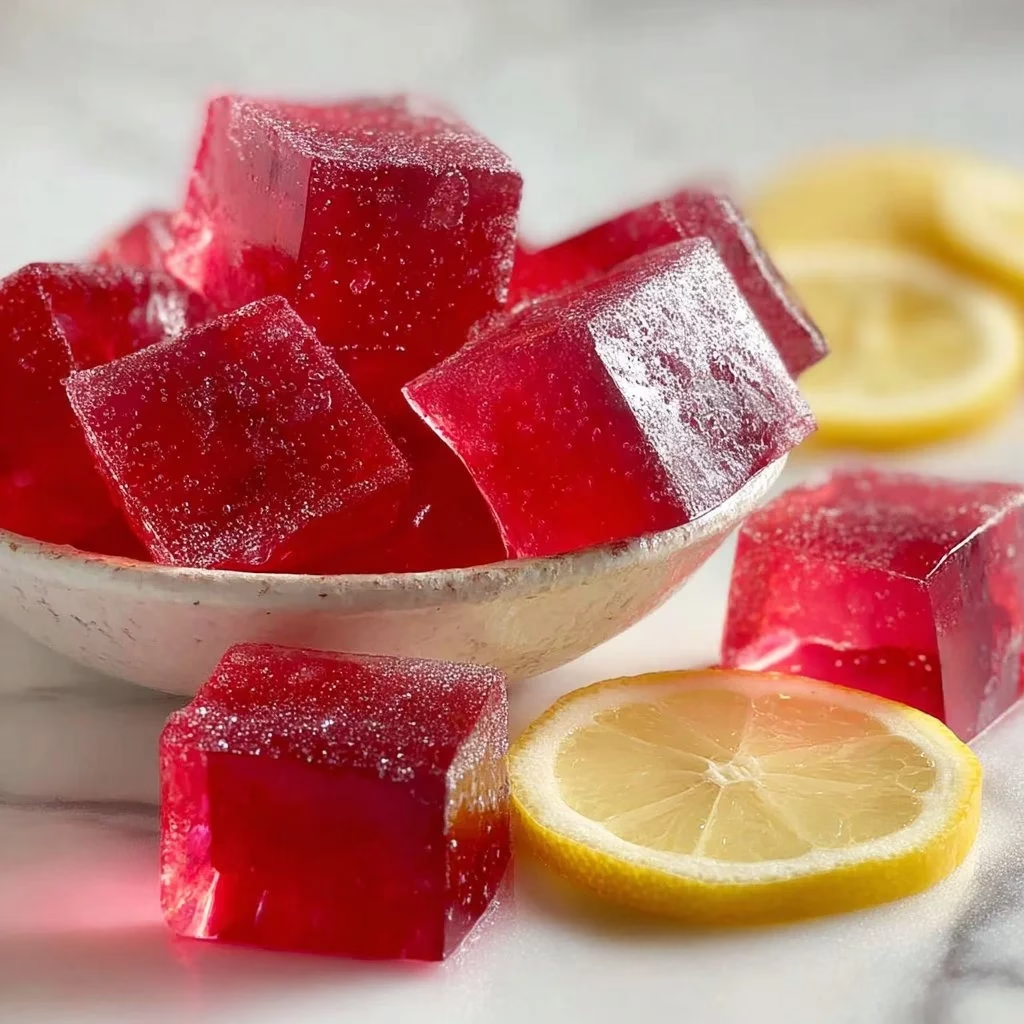
The concept refers to a gelatin-based dessert adapted to be lower in calories and sugar, often used as a snack or small dessert within a calorie-controlled diet. It can be made from plain gelatin powder mixed with water and natural flavors, or from reduced-sugar commercial mixes; some versions add fruit, collagen, or electrolytes to support satiety and hydration. Many people use this approach for slimming because gelatin sets firmly and gives a feeling of fullness with few calories, which can reduce the urge to overeat between meals.
Proponents suggest that the texture and ritual of eating a set dessert helps satisfy sweet cravings without large calorie cost, and gelatin itself contains amino acids like glycine that may support digestion and sleep for some people. While the evidence for gelatin as a weight loss magic bullet is limited, it is a low-risk way to control portions and replace higher-calorie snacks. For recipe ideas and variations that keep things simple, you can check out a popular 3-ingredient gelatin recipe for weight loss that many people use as a starting point.
Why People Love This Method for Weight Loss
Many people are drawn to this approach because it is low effort and immediately satisfying, offering a dessert-like experience without wrecking a daily calorie goal. It is portable, easy to prep ahead, and flexible enough to fit into vegetarian, low-carb, and other eating patterns. The sensory pleasure of a chilled, slightly sweet gel can make dieting feel less restrictive.
- Easy ingredients: Most recipes use gelatin, water, and a flavor agent, so shopping is simple.
- Low cost: Gelatin powder and flavorings are inexpensive and last a long time.
- Fits routine: You can portion into small containers for grab-and-go snacks.
- Helps cravings: The texture and sweetness can reduce the urge for higher-calorie sweets.
- Hydration support: If made with tea or water, it contributes to overall fluid intake.
For step-by-step ideas and background on the trend, many look to guides like the gelatin trick recipe that explains common formats.
Ingredients
- Unflavored gelatin powder (or flavored sugar-free mix): Sets the dessert and provides the signature texture; gelatin can be replaced by agar-agar for a vegan option.
- Water or brewed herbal tea: Volume and base flavor; using tea adds antioxidants and subtle aroma.
- Sweetener (stevia, erythritol, or a small amount of honey): Adjust to taste for lower calories; use granulated or liquid forms as preferred.
- Fresh or canned fruit (optional): Adds fiber and natural sweetness; choose low-sugar fruits like berries for fewer carbs.
- Fresh lemon or lime juice (optional): Brightens flavor and balances sweetness; a teaspoon cuts cloying notes.
- Collagen peptide powder (optional): Adds protein and may increase satiety; mix in after gelatin blooms if using.
- Salt pinch and vanilla extract (optional): Enhances overall flavor and aroma without adding calories.
For more ingredient combos and serving suggestions see the jello weight loss recipe guide.
How to Make It (Step-by-Step)
Overview: This recipe makes a simple, lightly sweet gelatin snack suitable for portion control. It yields a smooth, glossy gel with a cool mouthfeel and subtle flavor that is best served chilled. Prep time is short, and most setting happens in the refrigerator. You can scale quantities to make individual cups or a large mold for slicing. If you like a hint of fruit, add berries after the gelatin has partially set so they do not float to the top.
- Bloom the gelatin. Sprinkle 2 teaspoons of unflavored gelatin over 1/4 cup cold water in a small bowl and let sit for 3 to 5 minutes until the granules absorb water and swell. This step ensures a lump-free finish and a silky texture.
- Heat the liquid. Warm 1 3/4 cups of water or brewed tea until steaming but not boiling, roughly 160 to 175 F (use a thermometer or heat until small bubbles form). Pour over the bloomed gelatin and stir until fully dissolved, about 30 to 60 seconds, tasting for sweetness.
- Sweeten and flavor. Add sweetener to taste (start with 1 to 2 teaspoons erythritol or a few drops of liquid stevia) and stir in a teaspoon of lemon juice or vanilla if using; the aroma will lift the flavor. Adjust gradually to avoid making it too sweet.
- Add extras. If you want fruit or collagen, fold in 1/4 cup fresh berries or a scoop of collagen here, stirring gently so the mixture stays clear and smooth. For fruit that sinks, add after the gel has partially set.
- Chill to set. Pour the liquid into small ramekins or a mold and refrigerate uncovered for 1.5 to 3 hours until firm and slightly springy to the touch. A fully set gel will be cool and wobble when moved.
- Serve. Run a thin knife around the edge if unmolding, or serve directly in cups. Enjoy chilled; garnish with a mint leaf or a few extra berries for aroma and visual appeal.
For a pink, trend-style version, some readers follow the Dr Oz pink gelatin recipe adaptations for flavoring and presentation.
How to Use It for Better Weight Loss
Use this gelatin snack as a structured treat or a small dessert to replace higher-calorie options, and pair it with balanced meals to maintain nutrition. Eating a gel cup after dinner can satisfy sweet cravings and help you stick to a calorie target, while having pre-portioned cups in the fridge reduces impulse decisions. Keep in mind that gelatin-based snacks are low in calories but not a source of complete nutrition, so include them in a diet rich in vegetables, protein, and healthy fats.
- Timing: Enjoy a small cup as a post-meal dessert or mid-afternoon snack to reduce craving-driven eating.
- Portions: Limit to one 100 to 150 gram serving per sitting to control calories.
- Frequency: 3 to 5 times per week is reasonable for variety; rotate with whole-food snacks.
- Daily habits: Combine with protein and fiber at meals to enhance fullness and support weight loss.
- Safety: If you have allergies, diabetes, or take medications, consult a provider before using gelatin routinely.
Tips & Variations
A few simple swaps keep this snack interesting and aligned with different diets, and small changes can lower calories without losing satisfaction. The texture allows easy customization, from creamy panna cotta-style versions to fruit-studded cubes, and the chilled nature makes it a refreshing option during warm months.
- Low-calorie option: Use unsweetened tea and a nonnutritive sweetener to keep calories near zero.
- Flavor options: Use citrus zest, mint infusion, or berry purées for natural flavor without added sugar.
- Diet-friendly swaps: Replace gelatin with agar-agar for a vegan alternative; increase collagen for extra protein.
- Texture changes: Stir in a spoonful of Greek yogurt after cooling slightly for a creamy version.
- Mix-ins: Add chia seeds or finely chopped nuts for texture and extra fiber.
Mistakes to Avoid
Many beginners make a few common errors that affect texture and flavor, but they are easy to fix with the right technique. Paying attention to blooming, dissolving, and chilling times will yield a smooth, enjoyable gel rather than a grainy or runny result.
- Skipping bloom: Not blooming gelatin leads to lumps; always sprinkle gelatin over cold liquid and wait 3 to 5 minutes.
- Overheating: Boiling gelatin can weaken its setting power; heat to steaming but do not boil.
- Adding fruit too early: Some fresh fruit enzymes prevent setting; add pineapple, kiwi, or papaya only after cooking or use canned versions.
- Over-sweetening: Start with less sweetener and taste as you go to avoid a cloying result.
- Rushing the chill: Not allowing enough refrigeration time yields a loose texture; plan for at least 1.5 hours to set.
FAQs
Q: Can I prepare these gelatin cups ahead of time?
A: Yes, you can make gelatin cups 3 to 4 days in advance and store them in a covered container in the refrigerator. Keep lids or plastic wrap on to prevent absorption of fridge odors, and consume within that window for best texture and safety.
Q: How long do leftovers keep, and how should I store them?
A: Store gelatin in airtight containers in the refrigerator for up to 4 days; beyond that the texture can change and freshness declines. Avoid freezing unless the recipe specifically states it freezes well, as thawing may alter texture.
Q: What are good substitutions for gelatin if I am vegan?
A: Agar-agar is a common vegan substitute that sets more firmly and requires boiling to activate. Use manufacturer instructions for ratios, because agar is often used at lower percentages than gelatin.
Q: Is there an ideal time of day to eat this for weight loss?
A: There is no single best time, but many people find a post-dinner portion helps curb late-night snacking, while others prefer a mid-afternoon cup to bridge meals. Choose a time that helps reduce higher-calorie temptations and fits your routine.
Q: Are there safety concerns or populations who should avoid this regularly?
A: Gelatin is generally safe, but those with specific allergies, severe kidney disease, or on certain medications should check with a healthcare provider. Pregnant or breastfeeding people and those managing chronic conditions should consult their clinician before making it a daily habit.
Final Thoughts
A mindful Jello Recipe for Weight Loss can be a useful tool for portion control and craving management when paired with a balanced diet and regular activity. It is inexpensive, simple to prepare, and flexible enough to suit different flavors and dietary needs. While it is not a miracle solution, its low-calorie profile and satisfying texture make it an easy swap for higher-calorie desserts. Keep expectations realistic, use it as one part of a broader plan, and enjoy the ritual of a cool, lightly sweet treat. Try it and tell me how it worked for you!
Conclusion
For background on popular gelatin trend claims, see Dr Oz Gelatin Recipe for Weight Loss in 2026: What Really Happens which examines a well-known variation. Practical home-friendly recipes can be found at Jello Recipe for Weight Loss – Healthy By Fork that offers several serving ideas. A personal experiment and review are detailed in "Jello for Weight Loss?" My 21-Day Gelatin Recipe Test, which is helpful for user perspective. For a critical look at hype and risks, read The Real Story of Pink Jello Weight Loss in 2026: Hype vs Reality. For a concise explanation of the gelatin trick and its implications, this overview from Noom is useful: What Is the Gelatin Trick for Weight Loss? | The Truth Behind the Trend.
The information provided in this article is for educational purposes only and should not be considered medical advice. Everyone’s body is different, and what works for one person may not work for another. It’s always best to speak with your healthcare provider before making this a daily habit, especially if you are taking medications, managing a medical condition, or are pregnant or breastfeeding. Always consult your doctor for personalized guidance.
PrintJello Recipe for Weight Loss
A simple, low-calorie gelatin snack that helps curb cravings and fits into a calorie-controlled diet.
- Prep Time: 10 minutes
- Cook Time: 0 minutes
- Total Time: 180 minutes
- Yield: 4 servings 1x
- Category: Dessert
- Method: Chilling
- Cuisine: American
- Diet: Vegetarian, Low-Calorie
Ingredients
- 2 teaspoons unflavored gelatin powder (or flavored sugar-free mix)
- 1/4 cup cold water
- 1 3/4 cups warm water or brewed herbal tea
- Sweetener (stevia, erythritol, or honey) to taste
- 1 teaspoon fresh lemon or lime juice (optional)
- 1/4 cup fresh or canned low-sugar fruit (optional)
- 1 scoop collagen peptide powder (optional)
- Pinch of salt (optional)
- 1 teaspoon vanilla extract (optional)
Instructions
- Bloom the gelatin by sprinkling it over cold water in a small bowl and letting it sit for 3 to 5 minutes until the granules absorb water.
- Heat the liquid, warming water or tea until steaming but not boiling.
- Pour the warm liquid over the bloomed gelatin and stir until fully dissolved.
- Sweeten and flavor to taste, adding any optional ingredients as desired.
- Chill the mixture in small ramekins or a mold for 1.5 to 3 hours until firm.
- Serve chilled, garnished as desired with mint or extra fruit.
Notes
Experiment with different flavorings and additions for variety. Use agar-agar for a vegan option.
Nutrition
- Serving Size: 1 cup
- Calories: 50
- Sugar: 0g
- Sodium: 5mg
- Fat: 0g
- Saturated Fat: 0g
- Unsaturated Fat: 0g
- Trans Fat: 0g
- Carbohydrates: 12g
- Fiber: 0g
- Protein: 1g
- Cholesterol: 0mg
Keywords: gelatin, weight loss, low-calorie dessert, healthy snacks, portion control