
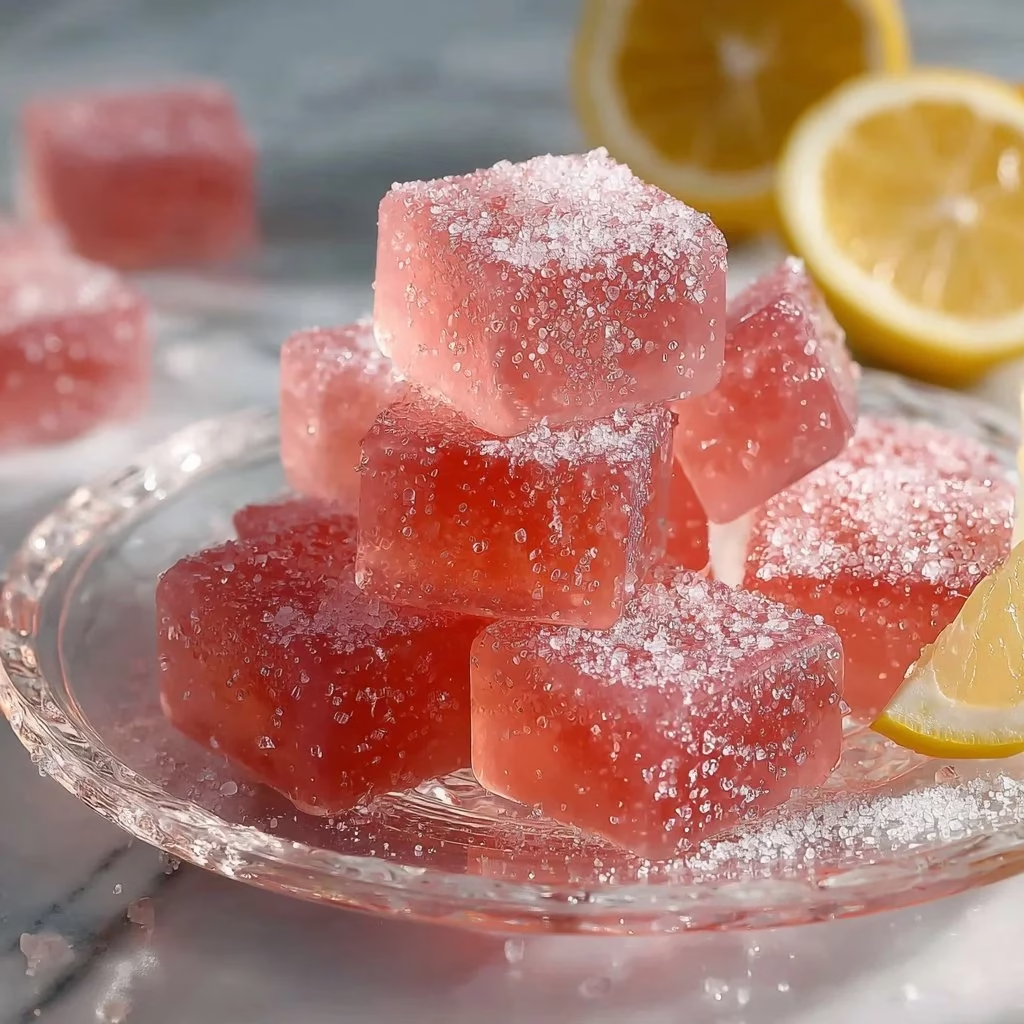
Lemon Gelatin is a light, zesty jelly made from gelatin, lemon juice, sweetener, and water that many people enjoy as a low-calorie snack to support weight control. Fans use it because it is filling, hydrating, and satisfying for sweet cravings without heavy calories; it offers a bright citrus aroma, a cool, smooth texture, and a refreshing tart-sweet taste. Served chilled, it jiggles gently on the spoon and offers a pleasant mouthfeel that feels more like a treat than a diet food. If you want a simple way to curb cravings or add a structured, protein-like snack into your routine, try a homemade lemon gelatin recipe like the popular lemon gelatin tonic to see how it fits your day.
What Is Lemon Gelatin?
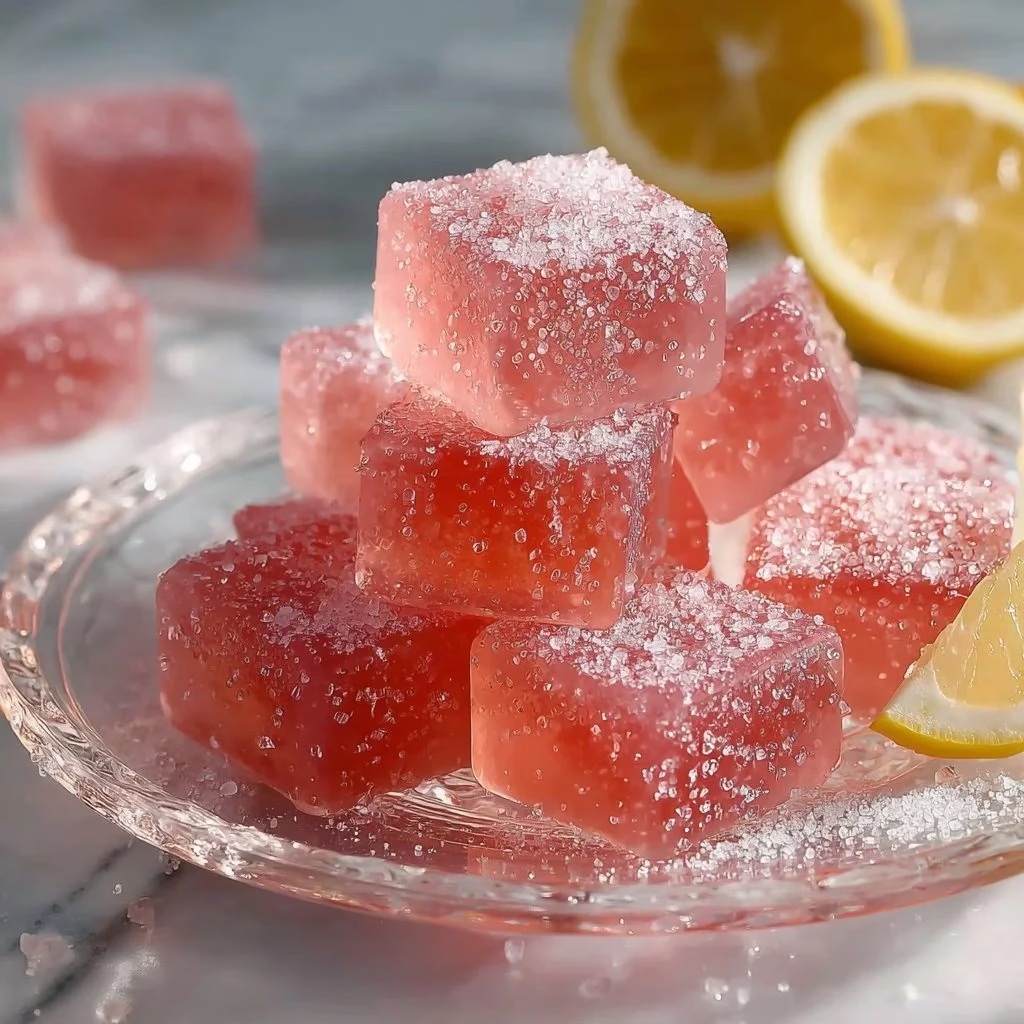
Lemon gelatin is a dessert or snack made by dissolving gelatin powder or sheets in hot liquid, then combining that with lemon juice, water, and a sweetener before chilling it to set. The result is a clear or pale yellow gel with a delicate lemon scent, a smooth, slightly elastic texture, and a cool, refreshing finish. People often use lemon gelatin for slimming because it is low in calories, can be portioned easily, and provides a filling, semi-solid mouthfeel that can reduce the urge to snack on higher-calorie sweets. For an easy twist on this idea, many resources point to simple preparations like the well-known 3-ingredient gelatin trick that keeps things quick and fuss-free.
Beyond appetite control, gelatin itself contains amino acids like glycine and proline that support joint and skin health in modest ways, though gelatin is not a complete protein. Lemon adds vitamin C and bright flavor while keeping the overall calorie count low; however, lemon gelatin should be seen as a supportive snack rather than a primary weight-loss solution.
Why People Love This Method for Weight Loss
Many dieters and busy people appreciate lemon gelatin because it combines convenience, flavor, and a sense of satiety without heavy preparation. The cooling, citrus taste can feel indulgent after meals, and the structured gel can slow eating pace, which helps with mindful portion control. Because it pairs well with routines—prepared ahead and stored in single servings—it becomes an easy go-to when cravings strike.
- Easy ingredients that most pantries already have on hand.
- Low cost compared with many prepackaged diet snacks.
- Fits into meal-prep routines since it stores well in the fridge.
- Helps curb sweet cravings with a bright, satisfying flavor.
- Contributes to hydration when made with extra water or infused tea.
Ingredients
- Gelatin powder (unflavored): Provides the gelling structure; use powdered or sheet gelatin based on preference.
- Fresh lemon juice: For bright citrus flavor and vitamin C; bottled juice can be used in a pinch.
- Sweetener (sugar, honey, or a low-calorie sweetener): Balances the tartness; choose a sugar substitute to reduce calories.
- Water: The main liquid to dissolve gelatin; you can substitute part with herbal tea for extra flavor.
- Optional: A pinch of salt or a splash of vanilla: Enhances overall taste and rounds out acidity.
Note: For a tangy, lower-carb option try a naturally sweetened approach or reduce sweetener by using ripe citrus and a touch of stevia.
How to Make It (Step-by-Step)
Overview: Making lemon gelatin is fast and forgiving. You dissolve gelatin in hot liquid, mix in lemon juice and sweetener, then chill until set. The process takes about 10 minutes of active work and 2 to 4 hours of chilling. This yields a cooling, slightly springy dessert that tastes best straight from the fridge.
- Measure and bloom the gelatin. Sprinkle 1 to 2 teaspoons of powdered gelatin over 1/4 cup of cold water in a small bowl and let sit for 5 minutes until it thickens slightly. This step ensures a smooth, lump-free texture.
- Heat the remaining liquid. Warm 3/4 to 1 cup of water (or half water, half herbal tea) until hot but not boiling, about 150 to 180°F (65 to 82°C), then remove from heat. You should see steam but no vigorous bubbling.
- Dissolve the gelatin. Stir the bloomed gelatin into the hot water until completely dissolved, about 20 to 30 seconds, watching for a glossy, clear mixture. Taste a small drop; it should be slightly sweet and warm.
- Add lemon and sweetener. Mix in 2 to 3 tablespoons fresh lemon juice and your chosen sweetener, tasting as you go to reach your preferred tartness. If you prefer a less sour profile, start with less lemon and adjust later.
- Pour into molds or a dish. Transfer the liquid to a shallow dish or individual ramekins; the shallower the dish the faster it will set, usually in 2 hours. For a chilled, firm texture, place the container on a flat surface in the refrigerator.
- Chill until set. Refrigerate for 2 to 4 hours until the gelatin is firm and slightly springy to the touch. A fully set lemon gelatin will be cool, smooth, and jiggle gently when tapped.
- Serve and store. Run a warm knife around the edges if unmolding, or spoon directly from ramekins; keep leftovers covered in the fridge for up to 5 days for best texture and flavor.
How to Use It for Better Weight Loss
Using lemon gelatin as part of a weight-loss plan works best when it replaces higher-calorie snacks and supports regular eating patterns rather than acting as a sole strategy. Enjoy a small serving after meals to satisfy dessert cravings, or have a pre-portioned cup mid-afternoon to prevent overeating later. Combining lemon gelatin with protein-rich meals and plenty of water helps maintain fullness and steady energy. Keep portions controlled and track how it affects your appetite so you can adjust frequency and size.
- Timing: Have a single 1/2 cup serving after a meal or as an afternoon snack.
- Portions: Stick to 1/2 to 1 cup servings to manage calories.
- Frequency: Use it once a day or a few times per week as part of a balanced plan.
- Daily habits: Pair with protein and vegetables at meals for balanced nutrition.
- Safety: If you have allergies, blood sugar concerns, or dietary restrictions, adapt ingredients accordingly and consult a professional.
Tips & Variations
Lemon gelatin is highly adaptable, which is one reason people enjoy it while trying to lose weight. You can lower calories, experiment with flavors, or add subtle nutrients without complicating the basic technique. Keep sweeteners light if you want a less candy-like taste, and try layering with fruit or herbs for texture variety.
- Low-calorie option: Use a non-nutritive sweetener or reduce sugar by half.
- Flavor options: Add a strip of lemon zest, a splash of lime, or infuse the water with green tea.
- Diet-friendly swaps: Replace part of the water with unsweetened juice or protein-enriched clear broth for different goals.
- Texture twist: Fold in a spoonful of crushed berries after cooling for a fruit-studded version.
Mistakes to Avoid
Making lemon gelatin is simple, but a few common missteps can affect texture and taste. Avoid skipping the bloom step, over-boiling gelatin, or adding cold lemon directly to hot gelatin without tempering, as these can lead to grainy texture or uneven setting. Also, be mindful of sweetener extremes—too much masks the lemon while too little makes it overly tart.
- Not blooming the gelatin: Sprinkle gelatin into cold water first to prevent lumps; let it sit 3 to 5 minutes.
- Boiling the gelatin mixture: Heat until hot but not boiling; high heat can reduce gelling ability.
- Adding lemon too early: Mix lemon after gelatin dissolves to keep acids from inhibiting the set.
- Over-sweetening: Start with less sweetener and adjust after chilling to avoid cloying results.
FAQs
Q: Can I prepare lemon gelatin ahead of time?
A: Yes, you can prepare lemon gelatin up to 3 to 5 days in advance when stored in an airtight container in the refrigerator. Keep it chilled to maintain a firm texture and cover to prevent absorption of fridge odors. For the freshest flavor and best jiggle, serve within the first few days.
Q: How should I store leftovers and for how long?
A: Store lemon gelatin covered in the refrigerator for up to 5 days; individual ramekins with lids work well. Avoid freezing because thawing can alter the texture, making it softer and sometimes watery. If the surface exudes a bit of liquid, gently drain it and stir before serving.
Q: What are good substitutions for sugar in lemon gelatin?
A: Natural substitutes like honey or maple syrup add flavor but also calories; low-calorie sweeteners like stevia, erythritol, or monk fruit keep sugars down. Adjust sweetness gradually because certain substitutes can have aftertastes; tasting before chilling helps you get the balance right.
Q: When is the best time to eat lemon gelatin for weight control?
A: Many people find it helpful as a post-meal dessert to satisfy sweet cravings or as a mid-afternoon snack to prevent overeating later. Use it consistently at times when you normally reach for sugary snacks to see if it helps reduce overall calorie intake. Monitor how it affects your hunger and adjust timing accordingly.
Q: Is lemon gelatin safe for everyone?
A: Lemon gelatin is generally safe for most people, but those with specific allergies, food sensitivities, or medical conditions should take care. Gelatin comes from animal collagen, so it is not suitable for vegetarians or vegans unless a plant-based gelling agent is used. If you are pregnant, breastfeeding, or taking medications, check with your healthcare provider before making it a daily habit.
Final Thoughts
Lemon Gelatin offers a refreshing, low-calorie option for people looking to manage cravings and add structure to snack times. It is easy to make, versatile in flavor, and fits well into meal-prep routines while providing a pleasant texture and bright citrus taste. Remember that it should complement balanced meals and an overall healthy lifestyle rather than replace nutrient-dense foods. Try it and tell me how it worked for you!
Conclusion
For a straightforward, bright recipe you can experiment with, see this DIY lemon jello guide for inspiration: DIY Lemon Jello – Domestic Dreamboat. If you prefer naturally sweetened versions, this naturally sweetened lemon jello shows alternative sweeteners and techniques: Naturally Sweetened Homemade Lemon Jello | Recipes to Nourish. For family-friendly, real-juice recipes that keep things simple, this approach is helpful: Naturally Sweetened Lemon Jello Recipe – Mommypotamus. For another take that emphasizes real juice and bright flavor, check out this homemade lemon jello idea: Homemade Lemon Jello (With Real Juice!) – jellojoy. If you want a silky, elegant lemon gelée technique, this lighter lemon gelée tutorial has advanced tips: Light & Refreshing Lemon Gelée – Gemma’s Bigger Bolder Baking.
The information provided in this article is for educational purposes only and should not be considered medical advice. Everyone’s body is different, and what works for one person may not work for another. It’s always best to speak with your healthcare provider before making this a daily habit, especially if you are taking medications, managing a medical condition, or are pregnant or breastfeeding. Always consult your doctor for personalized guidance.
PrintLemon Gelatin
A light and refreshing low-calorie lemon gelatin dessert that helps curb sweet cravings.
- Prep Time: 10 minutes
- Cook Time: 0 minutes
- Total Time: 240 minutes
- Yield: 4 servings 1x
- Category: Dessert
- Method: Chilling
- Cuisine: American
- Diet: Low-Calorie
Ingredients
- 1 to 2 teaspoons unflavored gelatin powder
- 1/4 cup cold water
- 3/4 to 1 cup water (or half water, half herbal tea)
- 2 to 3 tablespoons fresh lemon juice
- Sweetener (sugar, honey, or low-calorie sweetener, to taste)
- Optional: A pinch of salt or a splash of vanilla
Instructions
- Measure and bloom the gelatin. Sprinkle 1 to 2 teaspoons of powdered gelatin over 1/4 cup of cold water in a small bowl and let sit for 5 minutes until it thickens slightly.
- Heat the remaining liquid. Warm 3/4 to 1 cup of water (or half water, half herbal tea) until hot but not boiling, about 150 to 180°F (65 to 82°C), then remove from heat.
- Dissolve the gelatin. Stir the bloomed gelatin into the hot water until completely dissolved, about 20 to 30 seconds.
- Add lemon and sweetener. Mix in 2 to 3 tablespoons fresh lemon juice and your chosen sweetener, tasting as you go.
- Pour into molds or a dish. Transfer the mixture to a shallow dish or individual ramekins.
- Chill until set. Refrigerate for 2 to 4 hours until the gelatin is firm.
- Serve and store. Carefully unmold or serve directly from ramekins; leftovers can be stored in the fridge for up to 5 days.
Notes
Experiment with flavors and toppings to make it your own. Maintain portions to help with weight control.
Nutrition
- Serving Size: 1/2 cup
- Calories: 50
- Sugar: 3g
- Sodium: 15mg
- Fat: 0g
- Saturated Fat: 0g
- Unsaturated Fat: 0g
- Trans Fat: 0g
- Carbohydrates: 13g
- Fiber: 0g
- Protein: 1g
- Cholesterol: 0mg
Keywords: lemon gelatin, low-calorie snack, dessert, healthy dessert, weight loss snack